The Most Important Part of Your Solar & Battery System You’ve Probably Never Heard Of
If your solar or battery system isn’t performing the way it should, the problem may not be your panels, inverter, or battery. It could be something much smaller: Current Transformers (CTs).
CT issues are one of the most common causes of poor performance, inaccurate monitoring, unexpected utility bills, and batteries that don’t behave the way homeowners expect.
The surprising part? Most homeowners have never even heard of them.
What Is a Current Transformer (CT)?
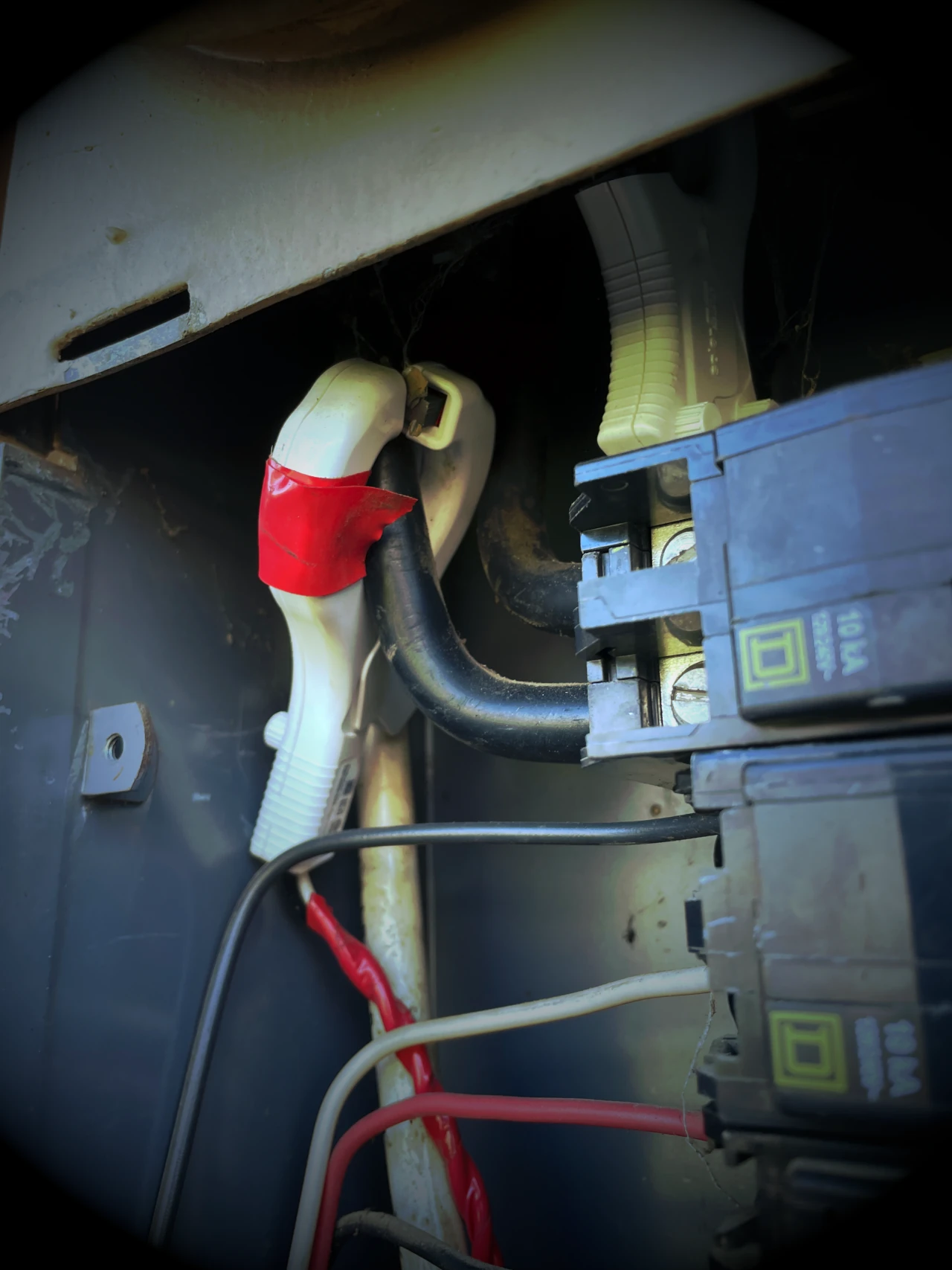
A Current Transformer is a sensor that measures the flow of electricity through a conductor. In solar and battery systems, CTs tell your system:
- How much power your home is consuming
- How much solar energy is being produced
- Whether power is flowing to or from the utility grid
- How much power your battery should charge or discharge
Think of CTs as the eyes and ears of your energy system. Without accurate CT data, your system is guessing.
Why CTs Are So Important
Modern battery systems such as Tesla Powerwall rely heavily on CT measurements to determine how they should operate.
Every few seconds, your system is evaluating questions such as:
Home Usage
Is the home consuming power right now?Solar Production
Is solar generation exceeding consumption?Battery Operation
Should the battery charge or discharge?Grid Flow
Am I importing from or exporting to the utility?If CTs are installed incorrectly, the system may make the wrong decisions because it is operating on bad information.
Common CT Installation Mistakes
1. CT Installed Backwards
CTs are directional. Installing one backwards can make imports appear as exports and exports appear as imports.
2. CT Installed on the Wrong Conductor
In complex systems with batteries, generators, backup panels, and multiple service sections, CTs are sometimes placed on the wrong wire entirely.
3. Incorrect Software Configuration
Even perfectly installed CTs can provide bad data if they are configured incorrectly in the system software.
4. Missing CTs
Many systems require multiple CTs to accurately measure all power flows. Missing CTs can create major blind spots.
5. Communication Issues
Loose wiring, damaged communication cables, or electrical interference can create intermittent CT problems that are difficult to diagnose.
How Homeowners Can Check for CT Problems
- Do the power flows in your monitoring app make sense?
- Does your battery charge or discharge when it shouldn’t?
- Does your home consumption occasionally show negative values?
- Is solar production significantly lower than expected?
- Are utility bills higher than they should be?
- Does the battery appear to ignore available solar energy?
If something seems off, CTs are one of the first things worth investigating.
How Often Do CT Problems Cause Performance Issues?
Far more often than most homeowners realize.
Many of the “battery failures” and “solar production issues” I investigate ultimately trace back to CT installation or configuration problems.
The battery is often working exactly as designed—it is simply responding to incorrect information.
Need Help? I Can Help.
I specialize in solar and battery system inspections, diagnostics, and repair services. If your monitoring data doesn’t make sense, your utility bills seem unusually high, or your battery isn’t performing as expected, I can help identify the root cause.
- CT Verification & Troubleshooting
- Tesla Powerwall Diagnostics
- Solar Production Analysis
- Utility Bill Investigations
- Monitoring Data Review
- Performance Optimization Recommendations
Final Thoughts
Current Transformers are among the smallest components in your solar and battery system, but they have an outsized impact on performance.
When CTs are installed and configured correctly, your system can accurately monitor energy flow, optimize battery operation, and maximize savings.
When they’re wrong, even the most advanced solar and battery system can struggle to perform properly.
If your monitoring data doesn’t make sense, your battery behaves unexpectedly, or your utility bills seem higher than expected, CTs may be the hidden culprit.
For more information about battery operation, visit Tesla’s Powerwall Support Center .
You can also learn more about solar energy monitoring and performance from the U.S. Department of Energy .


Leave a Reply