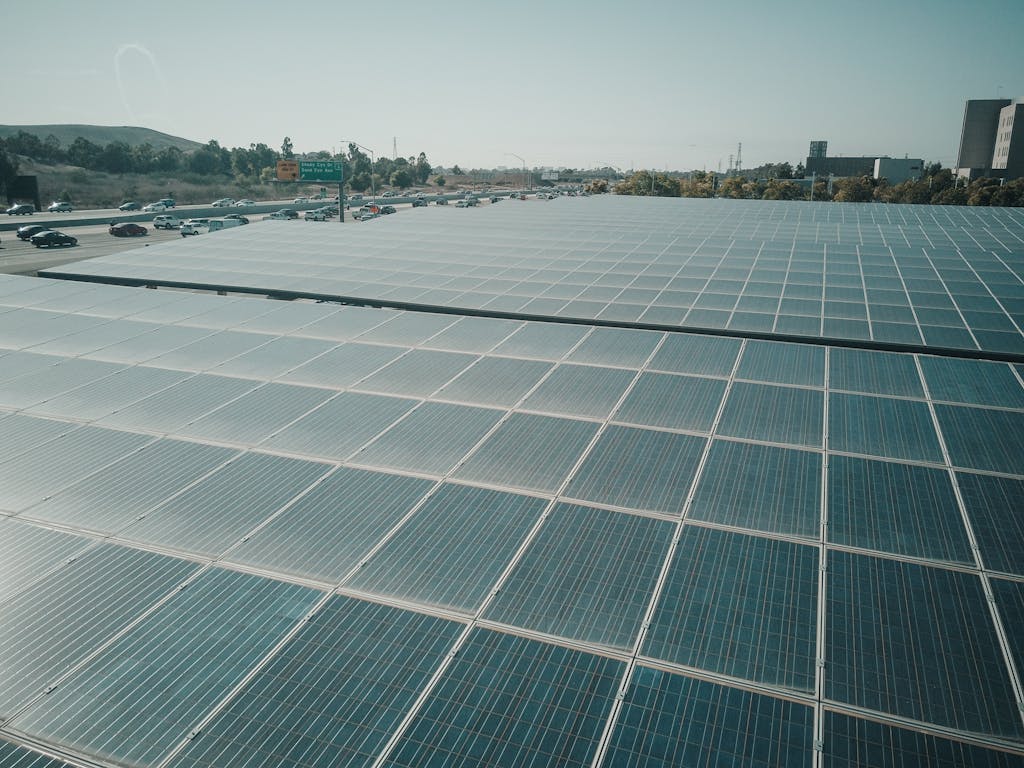
A solar system can look perfectly normal from the ground while having problems that materially affect its safety, performance, or value.
That is what makes solar difficult during a real estate transaction. The panels may be producing, the monitoring app may show green, and the seller may believe everything is working. None of that confirms that the entire system is present, properly installed, or performing as intended.
Real estate solar inspections are meant to answer those questions before the property changes hands.
Why Solar Problems Are Easy to Miss During a Home Inspection
A general home inspection is broad by design. The inspector must evaluate the entire property, usually within a limited amount of time.
Solar and battery systems are specialized electrical systems with their own equipment, monitoring platforms, shutdown devices, utility connections, warranties, and operating history. Evaluating them properly requires more than confirming that panels are installed on the roof.
A dedicated solar inspection for a real estate transaction looks more closely at what was installed, what is currently operating, and whether the available documentation agrees with the physical system.
Missing or Nonreporting Solar Panels
One of the more serious problems is a system that contains fewer working modules than the original contract specifies.
For example, a homeowner may have purchased a 32-panel system while the monitoring platform shows only 31 modules or power optimizers. That can indicate several possibilities:
- A failed microinverter or optimizer
- A disconnected module
- Equipment that was installed but never commissioned
- A monitoring configuration error
- A module that was never installed
These situations cannot always be distinguished through the monitoring app alone. The inspection may require comparing the contract, approved plans, equipment layout, serial numbers, physical module count, and monitoring data.
A missing or nonproducing module may not stop the rest of the array from operating. The problem can remain unnoticed for years while the system quietly produces less energy than expected.
Solar Monitoring That Does Not Tell the Whole Story
Monitoring is useful, but it should not be treated as proof that the system is performing correctly.
Some platforms provide module-level information. Others show only total inverter production. Even detailed platforms can contain incorrect layouts, duplicate equipment, missing devices, outdated ownership information, or communication errors.
A system can also appear online while experiencing intermittent faults, reduced output, or a failed portion of the array.
During a Sacramento real estate solar inspection, monitoring information should be compared with observed equipment and actual production—not reviewed in isolation.
Unsafe or Poorly Made Electrical Connections
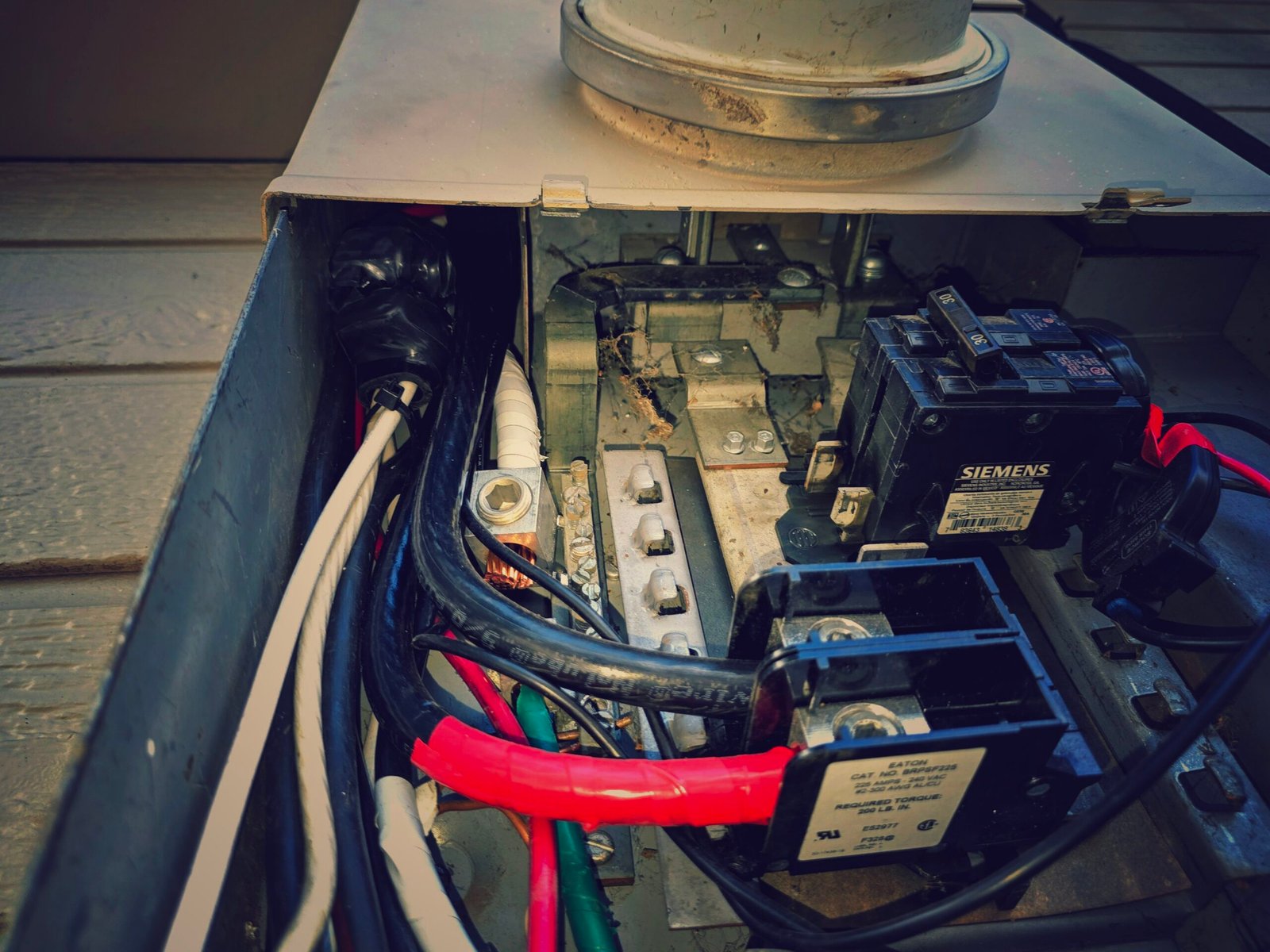
Loose, damaged, or poorly routed conductors are among the most important hidden problems an inspection can uncover.
These conditions may be concealed inside:
- AC disconnects
- Solar combiner panels
- Production meter enclosures
- Inverter wiring compartments
- Main electrical panels
- Junction boxes
A connection may remain energized and operational even when it is improperly terminated or positioned dangerously close to another conductive component. Over time, movement, heat, or insulation damage can lead to arcing, equipment damage, or a tripped breaker.
The fact that a system passed its original municipal inspection does not guarantee that a connection has remained secure or that every concealed workmanship issue was identified. The U.S. Department of Energy explains that permitting and inspection are intended to verify that rooftop solar is properly installed and safe, but a real estate inspection evaluates the system as it exists today—not merely whether it was approved years ago.
More information about the original permitting process is available through the U.S. Department of Energy’s rooftop solar permitting and inspection guide.
Incorrect Breakers, Labels, or Disconnects
Solar equipment should be clearly identified so homeowners, technicians, firefighters, and utility workers can understand how the system is connected and shut it down when necessary.
Common deficiencies include:
- Missing or faded warning labels
- Breakers that are not clearly identified
- Inaccurate directory information
- Improperly sized overcurrent protection
- Damaged disconnects or enclosures
- Unused openings that were not properly closed
Some of these issues are minor corrections. Others can affect safe operation or indicate that the system was modified after the original installation.
Equipment That Does Not Match the Contract or Plans
Buyers should not assume that the equipment listed in the sales agreement is the equipment installed at the property.
Solar projects sometimes change during construction because of product availability, design revisions, or field conditions. Substitutions are not automatically a problem, but they should be documented and evaluated.
An inspection may reveal differences involving:
- Panel manufacturer or wattage
- Inverter model
- Microinverter or optimizer count
- Battery model or usable capacity
- System size
- Array layout
These differences matter when evaluating expected production, warranty coverage, system ownership, and whether the seller received what was originally purchased.
Production That Falls Short of Expectations
Low production does not always mean that equipment has failed. System output is affected by weather, seasonal sun angles, shading, module orientation, equipment degradation, and household energy use.
However, unusually low or inconsistent production can also point to:
- A failed inverter
- A disabled circuit or string
- Failed module-level electronics
- Communication problems
- Incorrect system configuration
- Extended periods when the system was offline
A proper review considers current operation along with historical production. One sunny-day reading is not enough to determine how the system has performed over several years.
Ownership, Warranty, and Account Access Problems
Not every hidden solar problem is electrical.
A buyer may discover that the seller cannot access the monitoring account, does not have the original contract, or is unsure whether the system is owned, financed, leased, or covered by a power purchase agreement.
The California Public Utilities Commission recommends reviewing what happens to a solar loan, lease, PPA, or other agreement when a home is sold. Transfer requirements, qualification rules, fees, and maintenance responsibilities can vary significantly.
Buyers should confirm:
- Who legally owns the equipment
- Whether a loan or agreement remains in place
- Whether the monitoring account can be transferred
- Which equipment warranties remain active
- Who is responsible for future service
- Whether the original installer is still operating
These questions should be resolved during the contingency period rather than after closing.
Unpermitted Additions and Undocumented Modifications
Solar systems are sometimes modified after the original installation. Panels may be added, an inverter may be replaced, a battery may be installed, or electrical equipment may be relocated.
If the documentation only reflects the original configuration, it may no longer match the system at the property.
An undocumented modification is not necessarily defective. It does, however, justify further investigation into who performed the work, whether permits were required, and whether the updated equipment was properly commissioned.
What a Sacramento Real Estate Solar Inspection Should Establish
A useful inspection should do more than provide a pass-or-fail result. It should give the buyer, seller, and real estate professionals a clearer understanding of the system.
Depending on the equipment and available records, the inspection should help establish:
- The number and type of installed solar modules
- The number of inverters, microinverters, or optimizers reporting
- Whether the system is currently operating
- Whether visible equipment matches the available documentation
- Whether obvious electrical or workmanship deficiencies are present
- Whether production history suggests an unresolved problem
- Which findings should be addressed before closing
The goal is not to declare that an older system is flawless. It is to identify material conditions, document what is present, and reduce uncertainty for everyone involved in the transaction.
Do Not Assume the Solar System Is Fine Because It Is Producing
A producing solar system can still have missing equipment, damaged conductors, failed module-level components, incomplete monitoring, or years of underperformance.
Those problems are easy to inherit when solar is treated as just another item on the home inspection checklist.
For Sacramento-area buyers and sellers, an independent real estate solar inspection provides a much clearer picture of what is being transferred with the property—and what may need attention before the transaction is complete.
Leave a Reply