
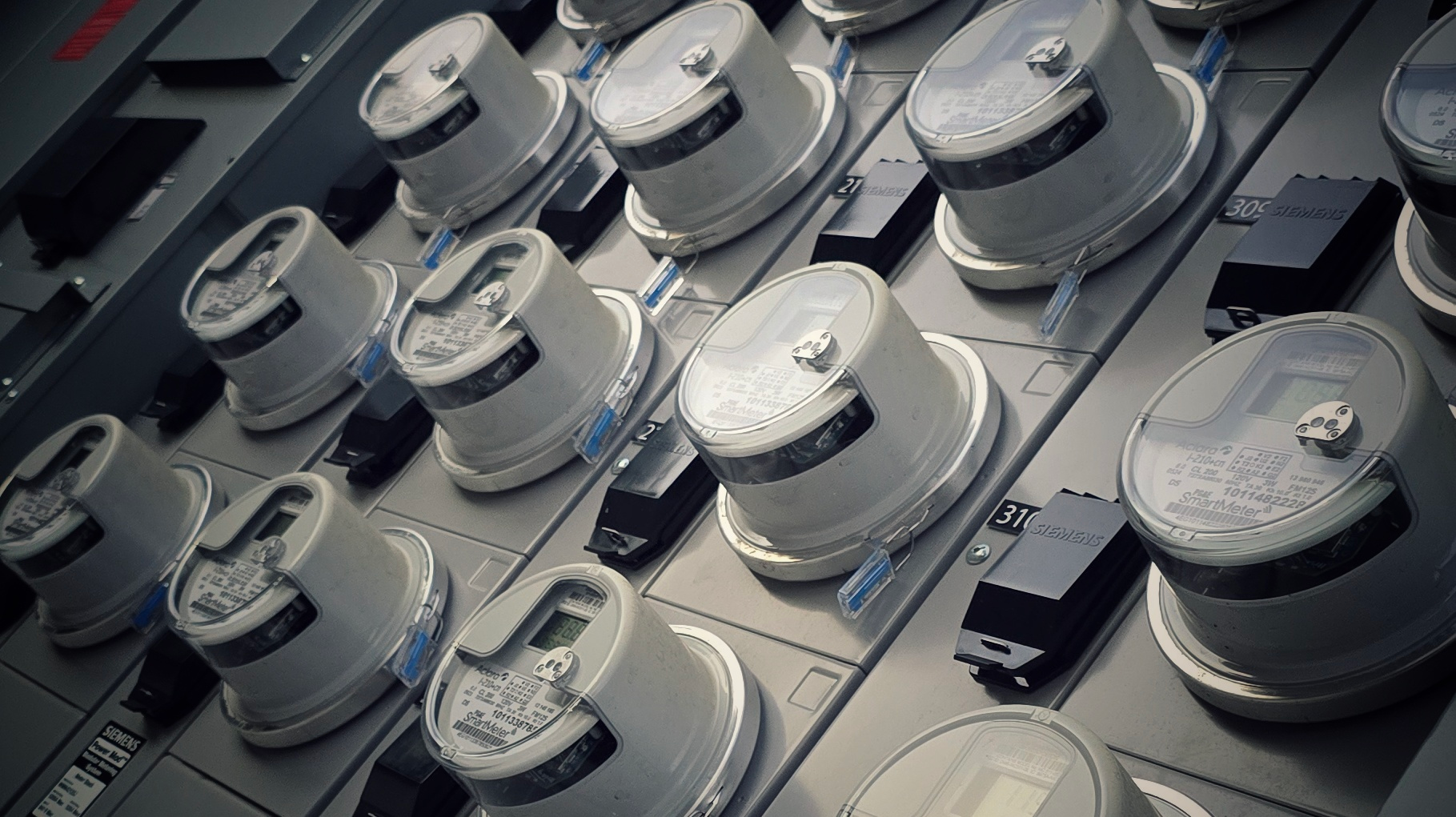
A PG&E solar True-Up bill that suddenly jumps from one year to the next usually means something changed. The harder part is figuring out what.
Maybe the house used more electricity. Maybe the solar system produced less. Your rate plan or usage patterns may have changed. In some cases, several smaller changes combine to create one surprisingly large bill.
If your PG&E solar True-Up bill increased substantially this year, comparing the final dollar amount to last year’s bill is only the starting point. The real answer is usually hiding in the production, consumption, and billing data behind it.
First, Make Sure You Are Comparing the Same Thing
For customers on traditional Net Energy Metering, including NEM 1.0 and NEM 2.0, PG&E tracks energy charges and credits throughout a 12-month billing cycle and reconciles the remaining balance at the annual True-Up.
If you want a more detailed explanation of how that process works, start with my PG&E Solar True-Up Explained guide.
It is also important to know which solar billing program you actually have. Customers on PG&E’s newer Solar Billing Plan are billed differently than legacy NEM customers, so comparing the two can be misleading.
PG&E provides current information and sample statements on its solar billing page.
1. Your Solar System Produced Less This Year
When a PG&E solar True-Up bill suddenly increases, solar production is one of the first things I would check.
A system does not have to stop working completely to have a meaningful production problem. Depending on the equipment, you could have a failed microinverter, optimizer, string, inverter input, or other issue while the rest of the system continues producing.
That can be particularly easy to miss when the monitoring app still shows the system as online.
Compare total annual production with the previous year. Some gradual variation is normal because of weather and normal equipment degradation. A large unexplained decrease deserves a closer look.
2. Your Home Used More Electricity
The solar system may be producing normally while the house simply consumes more electricity than it used to.
Common examples include:
- Adding an electric vehicle
- Running air conditioning more often
- Installing a pool or spa
- Adding occupants to the home
- Working from home more frequently
- Replacing gas appliances with electric appliances
- Installing a heat pump or other large electrical load
This matters in the Sacramento region, where long periods of hot weather can significantly increase air-conditioning consumption. Even if nothing inside the house was intentionally changed, a hotter summer or HVAC problem can push annual usage higher.
3. Your Electricity Use Shifted to More Expensive Hours
With time-of-use rates, when you use electricity matters in addition to how much you use.
Solar production is generally strongest around the middle of the day. Household demand often increases later in the afternoon and evening, just as solar production begins falling.
If more of your electricity is now being imported during higher-priced periods, your annual charges can increase even when total household consumption has not changed dramatically.
This is why simply comparing annual solar production with annual household consumption does not always explain the bill.
4. Your Solar System Was Never Producing as Much as You Thought
Sometimes the problem is not a recent equipment failure. A system may have been underperforming for years without anyone noticing.
This can happen when equipment was never commissioned correctly, a module or microinverter was missing from monitoring, the original production estimate was overly optimistic, or the system simply wasn’t sized to offset as much electricity as the homeowner expected.
A low True-Up during earlier years can sometimes hide this problem if household consumption was also lower at the time.
5. Your Rate Plan or True-Up Cycle Changed
A rate-plan change can affect both the value of electricity you import and the credits you receive for exports.
It can also affect the timing of your True-Up. PG&E notes that changing certain rate schedules can trigger the existing NEM balance to become due and begin a new 12-month True-Up cycle.
If your latest bill covers a different billing period than the previous one, comparing the two totals directly may not tell you much.
Before assuming something is wrong with the solar system, confirm the rate schedule and the beginning and ending dates of both True-Up periods.
6. PG&E Billing Changes Can Make the Statement Look Different
PG&E changed the structure of residential electric bills in March 2026 by replacing the previous Minimum Electric Charge with a monthly Base Services Charge.
For most residential customers, PG&E says the Base Services Charge is about $24 per month, with discounted amounts available for qualifying customers. Solar customers pay it as well.
Importantly, the Base Services Charge is paid monthly and cannot be offset by solar generation credits at True-Up. PG&E also reduced per-kWh electricity prices as part of the restructuring.
So if your bill looks different in 2026, do not automatically treat the new line item as the reason your annual energy balance increased. Separate the monthly service charges from the actual NEM energy charges and credits when comparing years.
7. A Small Production Loss Can Become a Large True-Up Increase
This is one of the more confusing parts of solar billing.
Suppose a system loses part of its production during spring and summer. The homeowner loses not only the energy that would have powered the house directly, but potentially some of the exports that would have accumulated credits.
The home then has to purchase more electricity from PG&E to make up the difference.
A production problem that does not look dramatic in the monitoring app can therefore have a much larger effect on the final True-Up than expected.
How to Diagnose a PG&E Solar True-Up Bill Increase
I would start by comparing four things:
- Solar production: How many kWh did the system produce this year versus last year?
- Grid imports: Did the home purchase substantially more electricity from PG&E?
- Grid exports: Did exported energy decrease?
- Household changes: Was an EV, pool, HVAC system, appliance, or other significant electrical load added?
Then look at the monthly data rather than just the annual totals.
If solar production suddenly drops in a particular month and stays low, that points in one direction. If production remains consistent but grid imports increase, the problem is more likely related to household consumption or usage timing.
If neither explains the change, the rate plan and utility billing data deserve a closer examination.
Does a Higher True-Up Mean Your Solar System Is Broken?
No. A high True-Up by itself does not prove there is anything wrong with the solar equipment.
But a sudden PG&E solar True-Up bill increase is a good reason to investigate, especially when there has been no obvious change in household electricity use.
The goal should be to determine whether the additional cost came from lower solar production, higher consumption, time-of-use behavior, billing changes, or some combination of those factors.
For homeowners who want to dig deeper into that comparison, my solar system optimization and utility bill analysis service explains how production data, consumption, rate plans, and utility billing can be evaluated together.
The Bottom Line
A larger PG&E solar True-Up bill is not random, even when it initially feels that way. Something in the equation changed.
Before assuming you need more panels—or assuming PG&E simply raised your bill—compare your solar production, household consumption, imports, exports, rate plan, and billing period with the previous year.
Once those numbers are separated, the cause of a sudden True-Up increase is usually much easier to identify.

Leave a Reply